
A Beginner’s Guide to HO Model Railroading Lessons from the World of iGaming
When you first put a train on a section of HO track and watch it move, there's a quiet pull that draws you in. It's short, well-thought-out, and surprisingly moving. The hobby of HO scale model railroading is just right — it's detailed enough to be amazing, small enough to fit in an extra room, and cheap enough that you can keep adding to it over time. This guide is an honest, no-hassle way to start, whether you've been thinking about it for years or just found a starter set.
Today's detail-oriented hobbyists are often drawn to more than one engaging system — many enjoy strategy and chance on platforms like honeybetz casino, an online casino where calculated decisions and pattern recognition matter, and find that same satisfying logic carries directly into model railroading.
Getting Started with HO Scale Model Railroading: How to Think Like a Beginner
Making up your mind to start is usually the hardest part of the process. Many people who are new to the hobby do a lot of research before they buy even one piece of track. This is a good thing — reading sites, watching layout videos, and going to hobby shops near you can all help you picture what you want. But sometimes the best thing to do is to start small and let the hobby find you on its own.
What Makes HO Scale So Easy for Beginners?
In the HO scale, one unit of plan is equal to 87 units of real-world size. The amount is just right. Layouts don't need a whole basement, trains are simple to control, and there is a huge selection of tools available. Brands like Hornby, Bachmann, and Kato make starter sets that come with everything you need for your first oval of track. This makes the initial purchase feel more doable than scary.
Setting Up the Right Habits as a Hobbyist Early On
To start off well, you need to set reasonable goals. It's okay that your first layout isn't a masterpiece. Early on, it's important to make it a habit to spend time on the hobby, whether it's a quiet Wednesday evening or a Saturday afternoon.
- Give your layout a place to stay put together, even if it's just a small table.
- Write down thoughts, sketches, and parts you want to add later in a simple notebook.
- Join a club or online group to get answers to your questions without fear of being judged.
- Don't try to build the whole track at once — work on one part at a time.
- Enjoy the bare track first before rushing into scenery and landscapes.
- Keep track of what you buy to stick to a reasonable monthly budget.
- Celebrate small wins, like your first loop that runs smoothly or a switch that works correctly.
Plan Your HO Scale Model Railroading Strategy, Budget, and Smart Setup
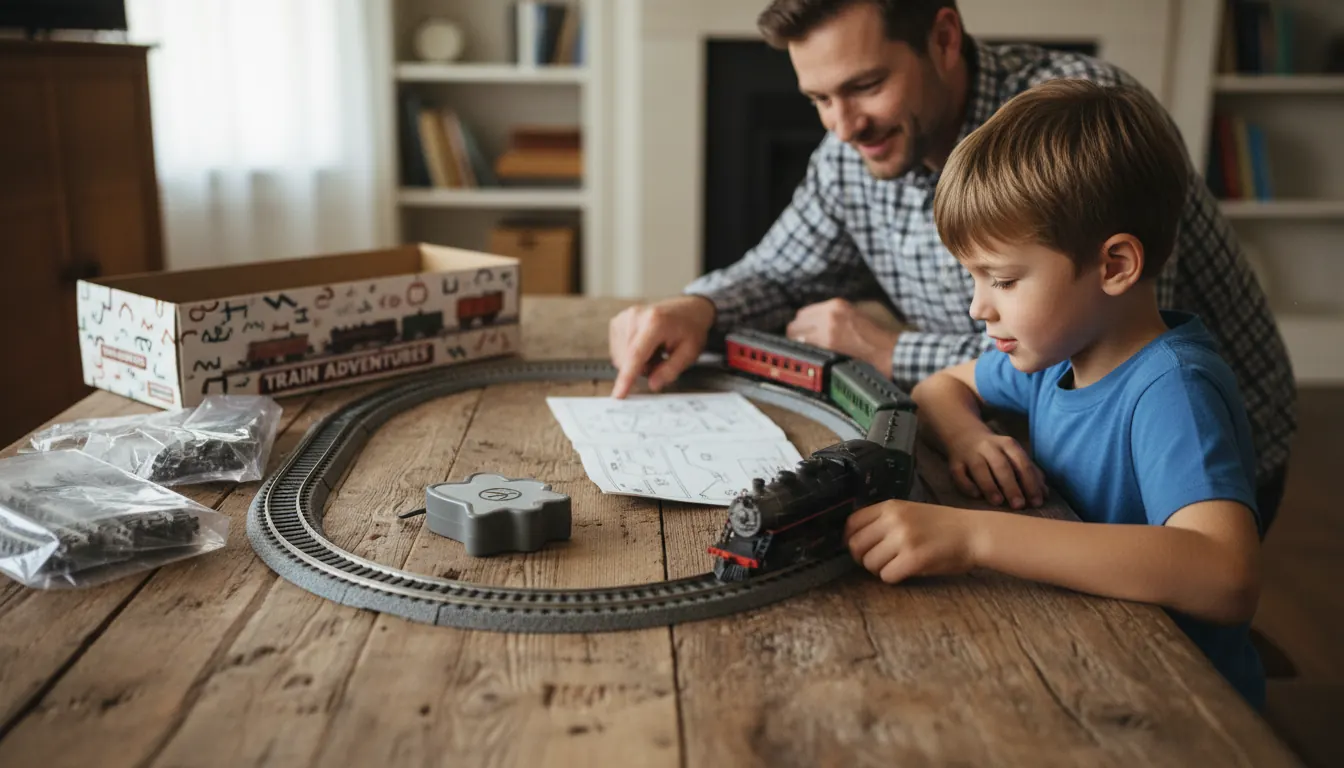
A bunch of tracks that don't go together can be turned into something that does. Spend some time thinking about your space and what kind of layout really excites you before you buy anything else. Do you like mountain trains, industrial yards, or the feel of small-town America? You should buy things based on your theme, not the other way around. At this point, the hobby starts to feel more specific than general.
How to Break Down the Initial Budget for HO Scale Layouts
A lot of stress can be avoided in the beginning by having a rough idea of how much things cost. Here is a useful summary to help you plan before you spend.
| Item | Entry Level | Mid Range | Notes |
|---|---|---|---|
| Starter Set | $80–$120 | $150–$250 | Includes loco, cars, and an oval track |
| Extra Track | $20–$40 | $60–$100 | Flex track gives you more options |
| Scenery Materials | $15–$30 | $50–$100 | Foam, flock, and static grass |
| Buildings and Structures | $10–$25 each | $30–$60 each | Varies by detail level |
| Digital Controller (DCC) | $80–$130 | $150–$300 | Not required but suggested for long-term use |
Setting Up Your First Permanent Workspace
After a few loops on a temporary setting, the thought of a long-term layout starts to sound great. A piece of plywood on a folding table is a tried-and-true way for beginners to start. It keeps your layout level and gives you a stable area for scenery. Four by eight feet is a classic starting size for a reason.
"Most newbies make the mistake of building too big too quickly. Start with something you can finish, because being able to do something builds your confidence."
— Dave Frary, author and model train scenery expert
Trains, HO Scale Model Railroading, and How Systems Work
The speed with which it feels like a live system is one of the best things about this hobby. Everything moves in a way that depends on the movements of everything else. Track links to switches, switches respond to controls, trains respond to throttle input, and so on. Getting better at systems thinking is genuinely enjoyable, and the skills carry over into many real-life situations.
How to Understand DCC and Analog Control
With analog DC control, the throttle sends power straight to the track and all locomotives on that section react at the same time. Most beginners start here, and simple layouts work just fine with it. Digital Command Control, or DCC, lets you run different trains separately by giving each locomotive its own address. It's a modest extra cost that opens up far more operating possibilities, especially once your layout grows beyond a single oval.
Important Parts That Every HO Layout Must Have
- Locomotive: The most important part of your roster — buy at least one quality model from the start.
- Rolling stock: Freight cars, passenger coaches, or both, based on your chosen era and theme.
- Track: Sectional track is best for beginners, while flex track allows more creative freedom.
- Power pack or DCC system: The foundation that makes everything run.
- Turnouts (switches): Essential for moving trains between tracks — invest in reliable ones.
- Basic wiring: Bus wires, feeder wires, and terminal joiners ensure consistent power flow.
- Scenery base: Whether foam or board, this gives your environment something solid to build on.
"It's not really about trains in model railroading. There is a world to build and then work in that world."
— Tony Koester, contributing editor at Model Railroader
Model Railroading in HO Scale: Building Worlds That Feel Real
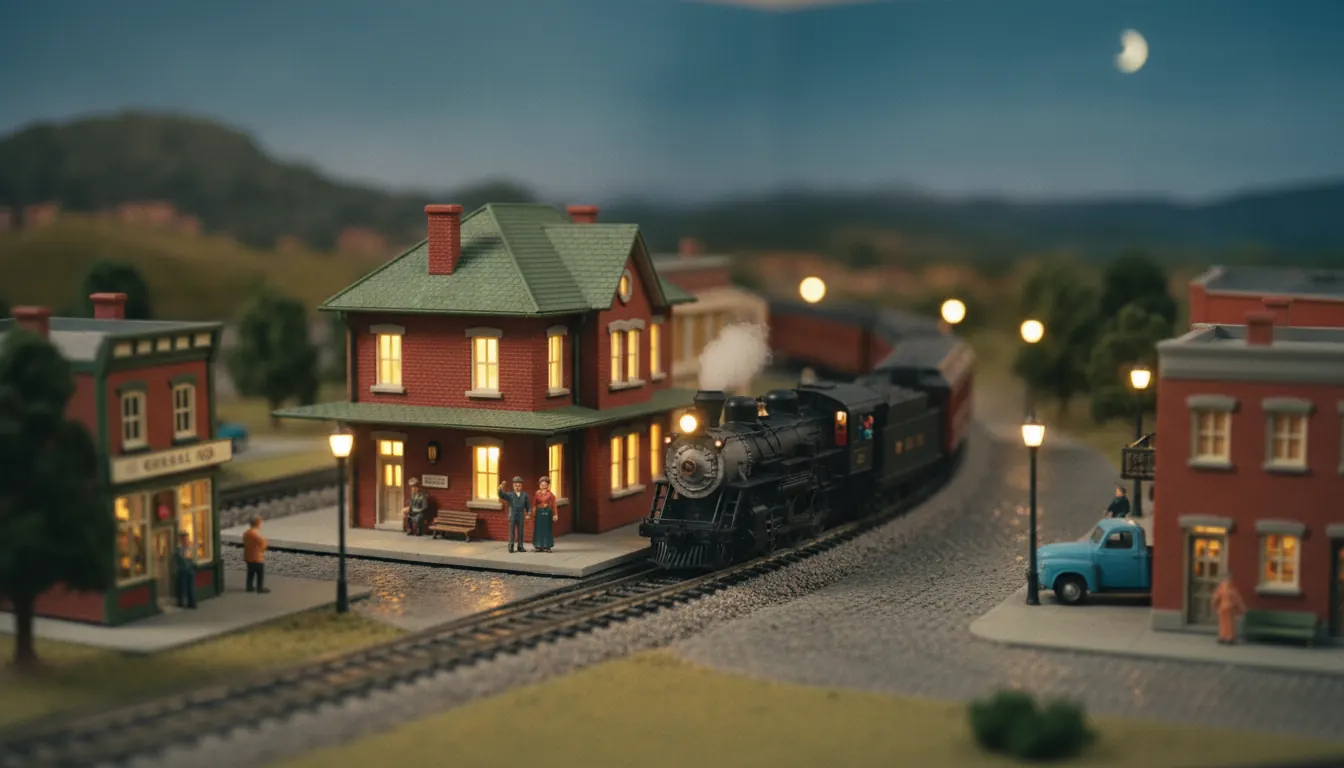
After a while, the track itself fades into the background. The world around the trains — the worn-out grain elevator, the dim streetlight, the tiny people waiting on a platform — is what truly draws in experienced enthusiasts. This is where HO scale really shines. The 1:87 ratio makes realistic scenes achievable without requiring expert sculpting skills.
Scenery Styles and Themes That Work Well
| Theme Style | Key Elements | Mood | Difficulty |
|---|---|---|---|
| Rural America | Farmhouses, grain silos, dirt roads | Peaceful, nostalgic | Beginner-friendly |
| Industrial Urban | Factories, warehouses, freight yards | Gritty, dynamic | Intermediate |
| Mountain Railroad | Rock faces, tunnels, pine forests | Dramatic, scenic | Intermediate |
| Small Town USA | Main street, depot, general store | Warm, story-rich | Beginner-friendly |
Lighting and Detail Work That Elevates a Layout
Adding light to buildings and rolling stock is one of the most impactful upgrades you can make. At night, the warm glow from a restaurant window or the sweep of headlights around a curve can transform a layout from a display into a living scene. LED strip lighting is inexpensive and straightforward to install inside structures. Interior details visible through windows reward a close look and give your layout a genuine sense of being inhabited.
How to Get Started with HO Model Railroading and Stay Involved for the Long Term
People who have been into model railroading for a long time usually share one quality: they stay genuinely curious. They keep reading, experimenting, and discovering new corners of the hobby. That steady interest is what separates a passing fancy from a real long-term pursuit. The good news is that HO scale railroading has enough depth that you could explore it for a lifetime and never exhaust it.
You'll also find a real community waiting for you. Online forums, local clubs, and annual shows connect you with people who understand exactly why you spent a Saturday night laying a single 12-inch curve by hand. That kind of shared enthusiasm is worth seeking out early in your journey.
Progress in HO scale model railroading comes naturally, one quiet session at a time. The starter set becomes a layout, the layout becomes a world, and the world becomes something you're genuinely proud of. Start from where you are, be patient with the process, and trust that the hobby will repay your effort in ways that are hard to appreciate until you're deep into it.